
Let's Work Together!



Hi there!
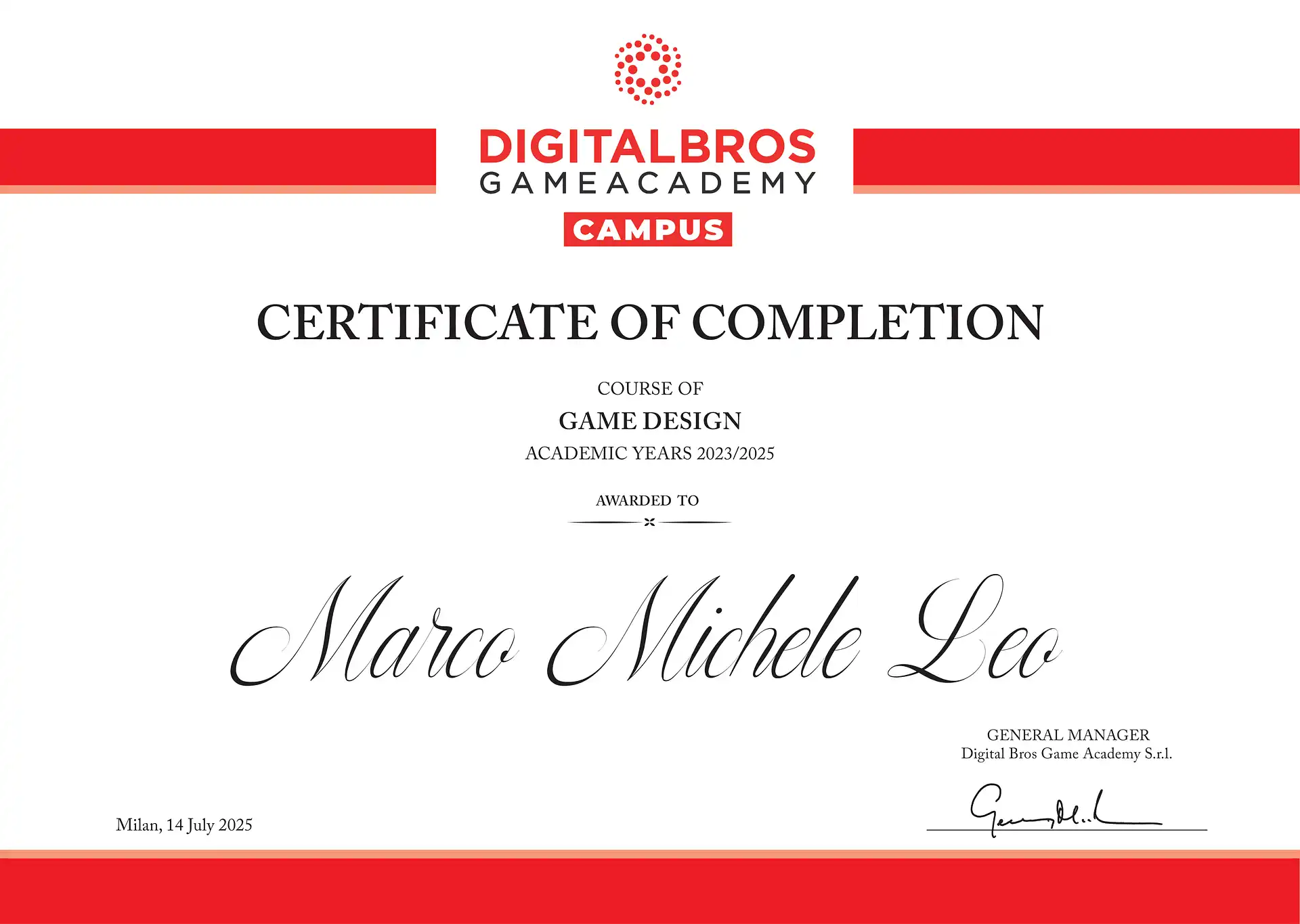
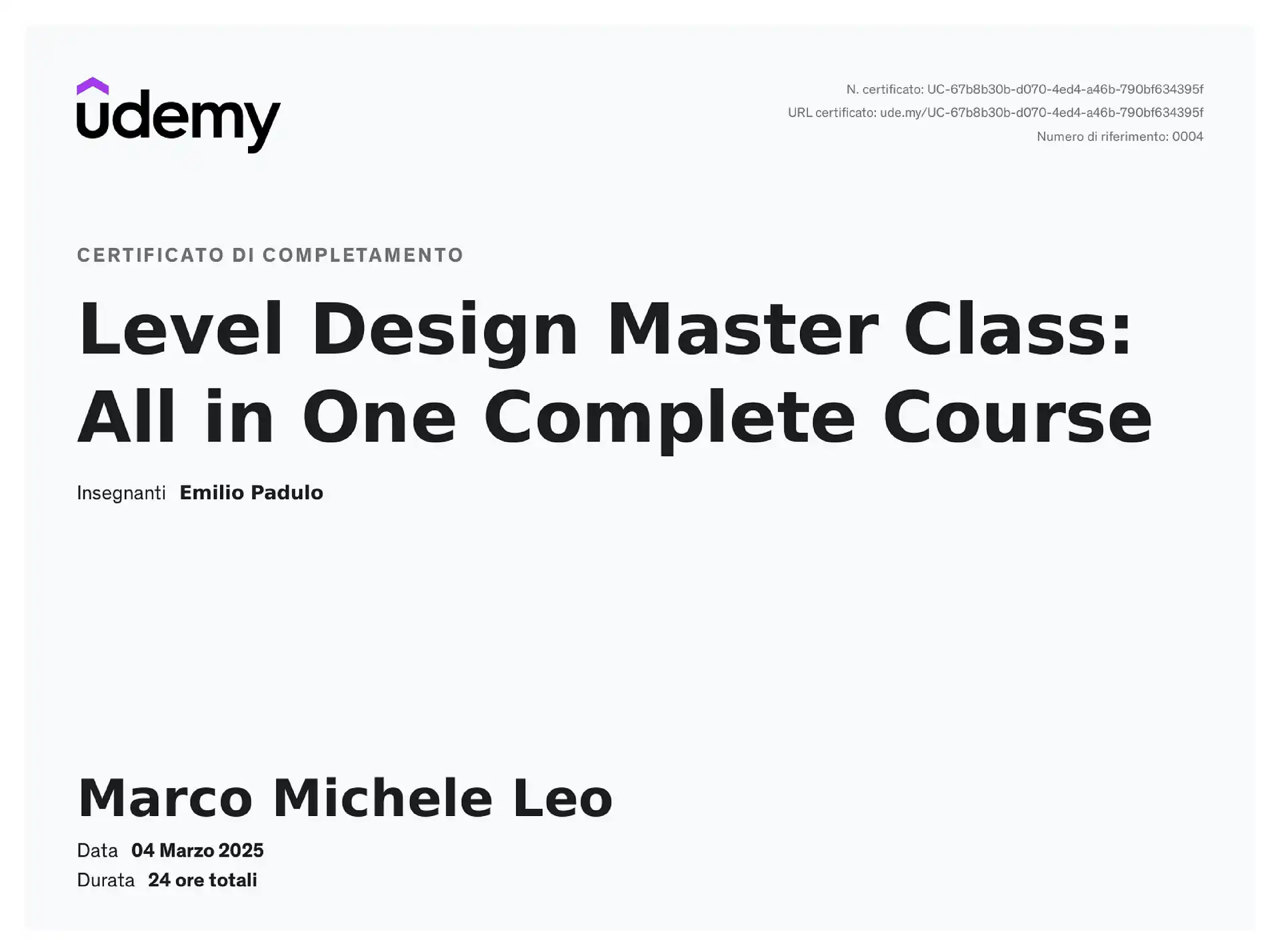
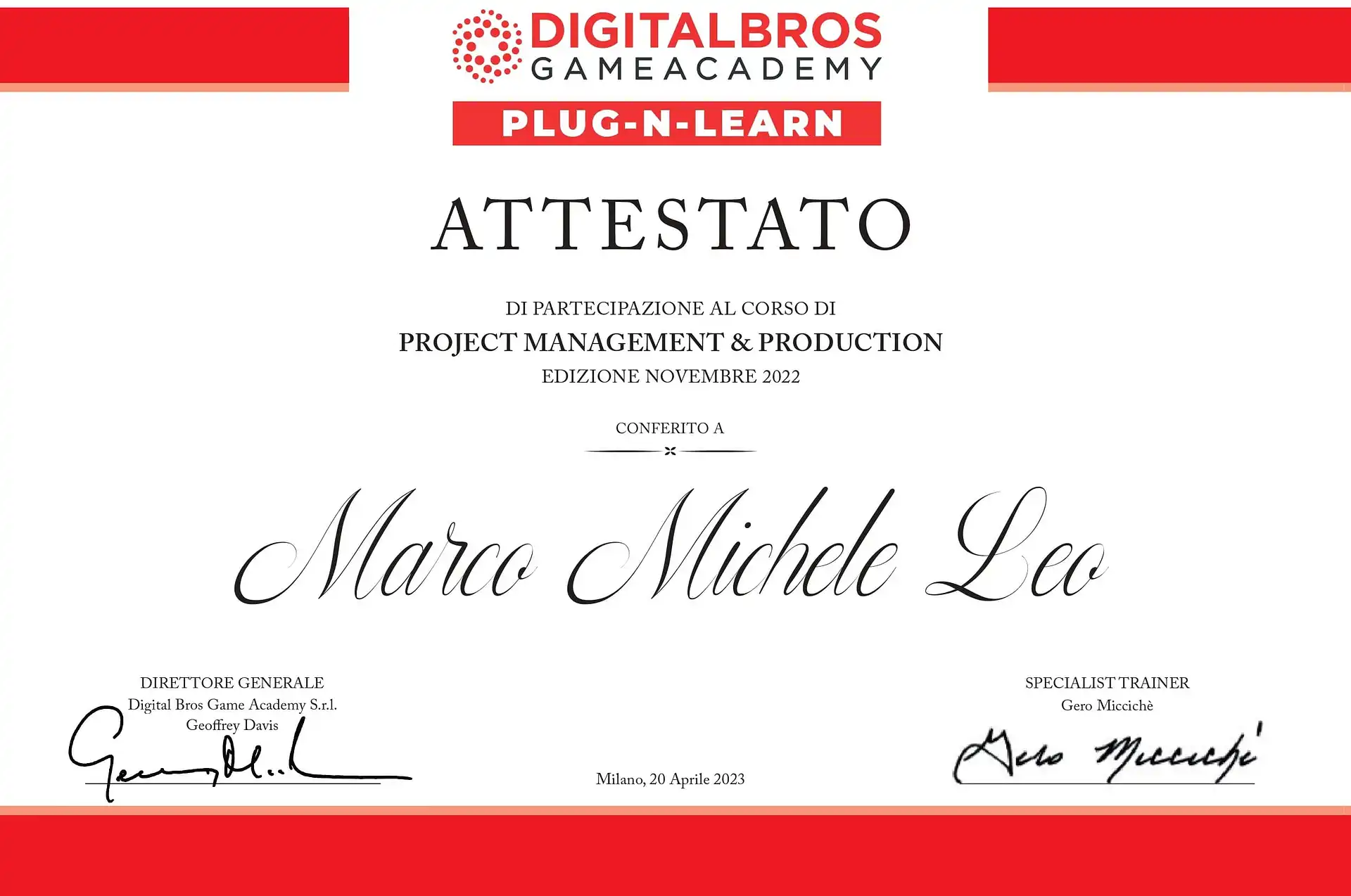
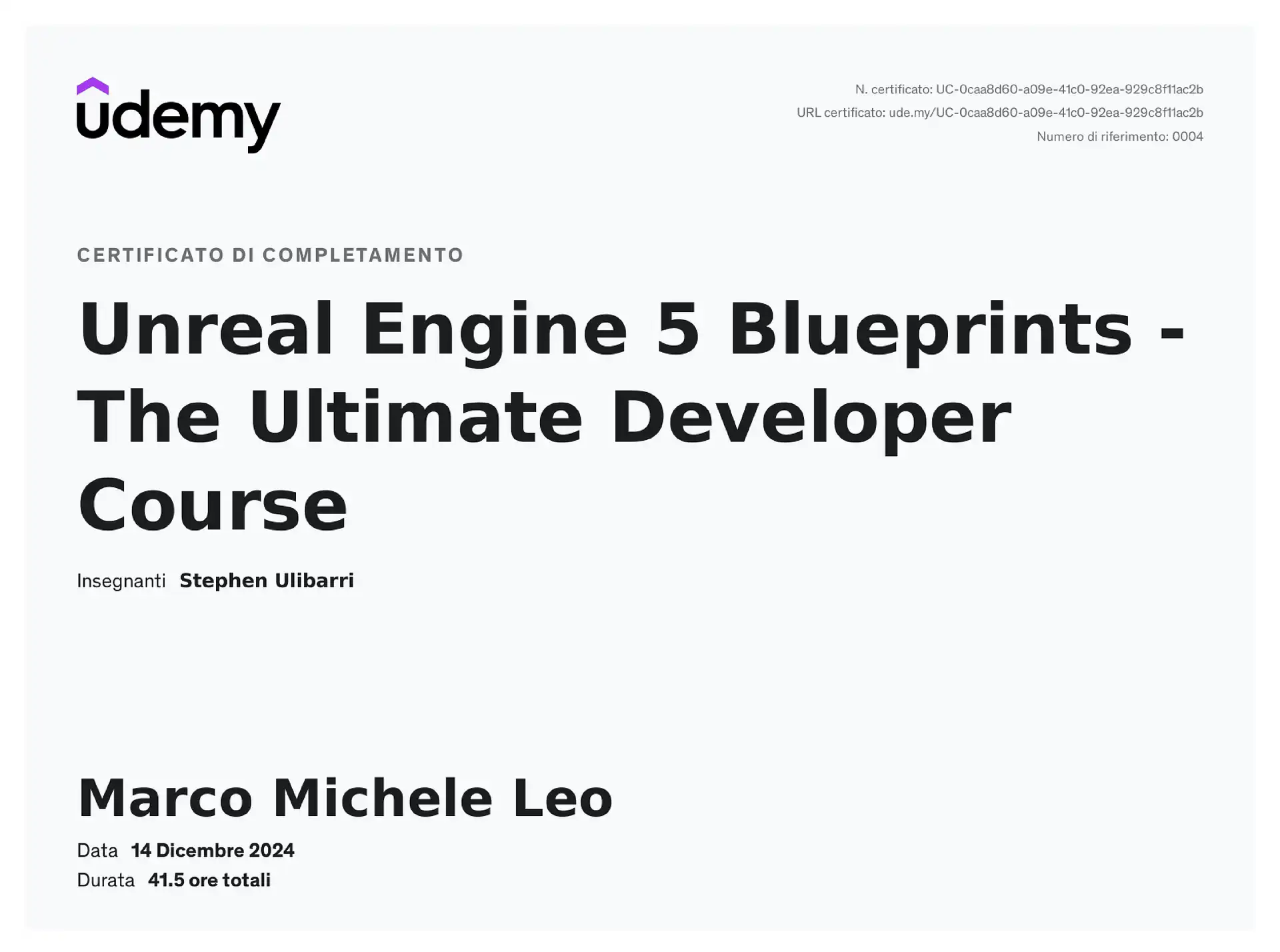
Hey, I’m Marco. I’m a Level Designer from Italy focused on single player experiences, especially action and platform games. I grew up with titles like Super Mario and Kingdom Hearts, which shaped how I see games today as a way to communicate ideas and emotions, not just entertainment. I started my journey studying Project Management & Production at Digital Bros Game Academy, where I learned how to work in a team and manage development processes. I then moved into Game Design, collaborating on projects and getting hands-on with Unity and Unreal Engine 5. During this time, I discovered my passion for Level Design. I design levels from concept to implementation, focusing on player experience through space, pacing, and flow. I use blockouts to guide player movement and decision-making, always aiming for clarity and strong environmental storytelling. I prototype directly in-engine using Blueprints and C# to quickly test and refine ideas. I’m constantly working to improve my skills, balancing creativity and technical constraints to build more engaging and meaningful player experiences. If you’d like to connect or collaborate, feel free to reach out.
I currently live in Milan, but I am willing to relocate all over Europe.






CERTIFICATIONS
DESIGN PROCESS
Idea
- Start from a core idea for the level, then gather references and research around it.
- Build moodboards and do visual analysis to define mood, style and direction.
Pre-Production
- Create sketches, level layouts and core documentation while defining gameplay beats and pacing structure.
- Build a greybox gym in engine to prototype mechanics and define core metrics in a structured table.
Production
- Filter and refine ideas, then implement the final version of all gameplay mechanics.
- Build a full level blockout in engine to establish structure, scale, and flow.
Iteration
- Run continuous playtests during development to validate level flow and collect structured feedback through forms, then analyze the data to identify issues and required changes.
- Iterate on the level based on feedback, implementing improvements directly in engine and repeating the cycle until the experience is stable and refined.
Final Consideration
- Finalize the level by implementing last adjustments and locking the experience.
- Conduct a post mortem to evaluate what worked and what didn’t, then complete and close all project documentation.